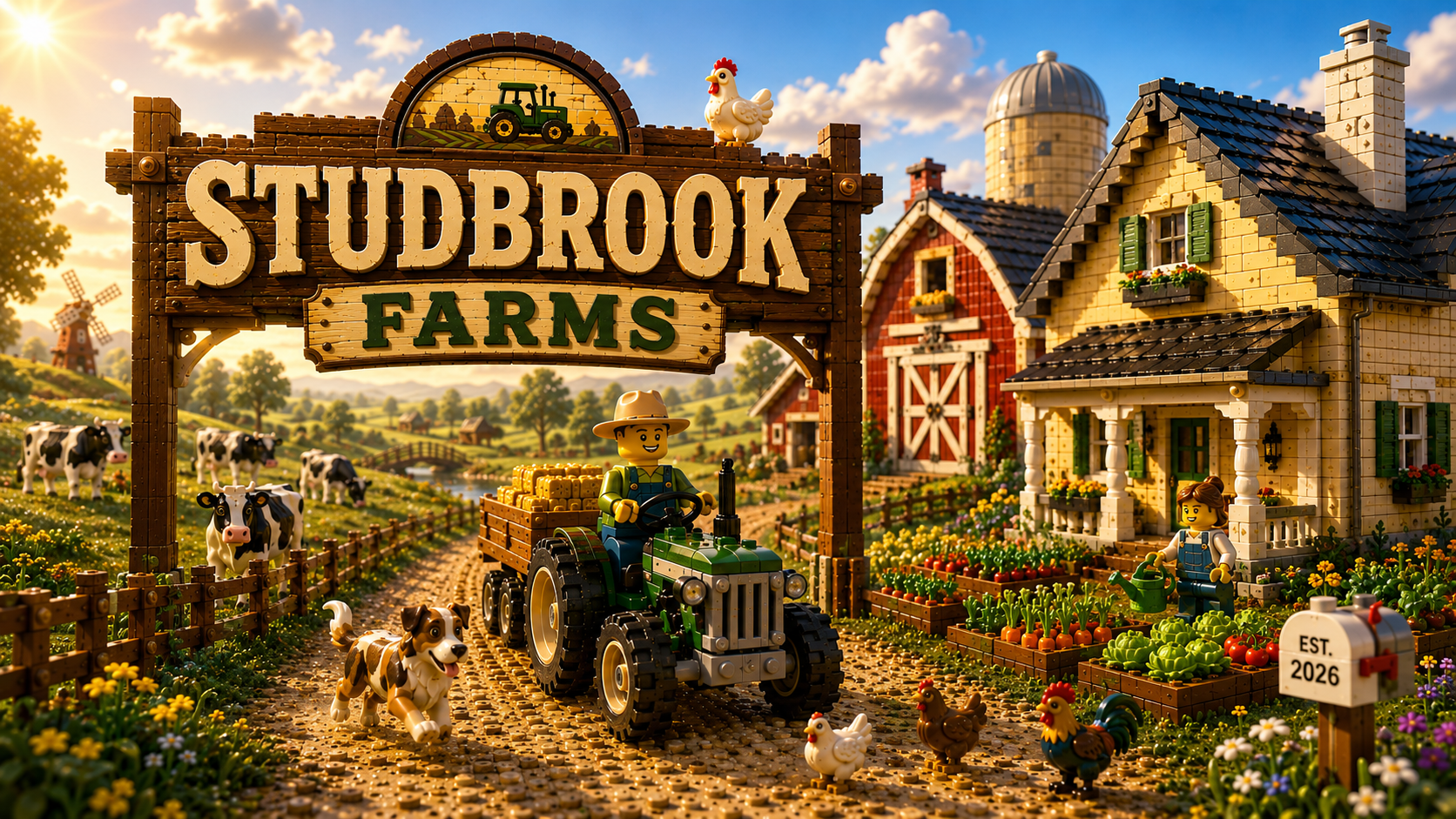
The road into Studbrook runs east from Brick Haven through the outer suburbs and the big-box distribution centers and then, at a certain point that is difficult to specify exactly but unmistakable when you cross it, the city simply stops and the countryside begins. The fields take over from the car parks. The roadside switches from signage to fencing. The sky gets bigger. It's different out here. It has been different for a long time.
The Land
The Studbrook valley is a bowl of gently rolling agricultural land about twelve miles east of Brick Haven, sheltered from the prevailing Atlantic winds by a low ridge to the west and benefiting from a microclimate that runs a few degrees warmer than the coastal average. The soil in the valley bottom is deep, dark, and well-drained, the kind that generations of farmers describe as forgiving. The upper slopes are stonier, better suited to root crops and the grapevines that have been advancing up the hillside since the first experimental planting of the early twentieth century.
History
The earliest farms in the Studbrook valley date to the late eighteenth century. The development of the Brick Haven market in the nineteenth century changed the economics of farming fundamentally, the city created a reliable commercial market for fresh produce, dairy, and meat. Farming in Studbrook became a commercial proposition.
The turning point came in the 1960s and 1970s, when falling commodity prices for bulk grain and rising consumer interest in specialty foods pushed the valley toward premium production. The first commercial winery was established in 1971. By the 1990s there were nine. There are now seventeen, ranging from the large and commercially oriented to the small and frankly obstinate, and the Studbrook valley wine region has a designation and a following and an annual harvest festival.
The Farms
Harrow Hill Farm, on the high ground at the valley's northern end, is the oldest continually operating farm in the valley. The current family has worked the land for five generations.
Vine Ridge, the largest of the valley's wineries, occupies the prime south-facing slopes. The tasting room is the valley's primary tourist draw.
The Valley Mill, converted from its original flour-milling function to a specialty artisan grain operation, produces stone-ground flours distributed to specialty bakers and restaurants in Brick Haven.
Connections
Studbrook is the pastoral counterpoint to Brick Haven's urban density, and the source of much of what ends up on the city's restaurant menus. The restaurants of Brick Haven's arts district put Studbrook farms on their menus. The Living Coast's café sources from Studbrook Farms, whose organic certification aligns with the institution's values.
What We're Building
The Studbrook Farms Diorama
The Studbrook Farms diorama is the channel's pastoral counterpoint, rolling fields and working buildings, the slow beauty of a place where the pace is set by what grows rather than what's scheduled. We're building it with attention to texture and season: hay bales, stone walls, greenhouse warmth, the long light of a late summer afternoon. It's a different kind of ambition than the city builds. No less demanding. Just quieter about it.