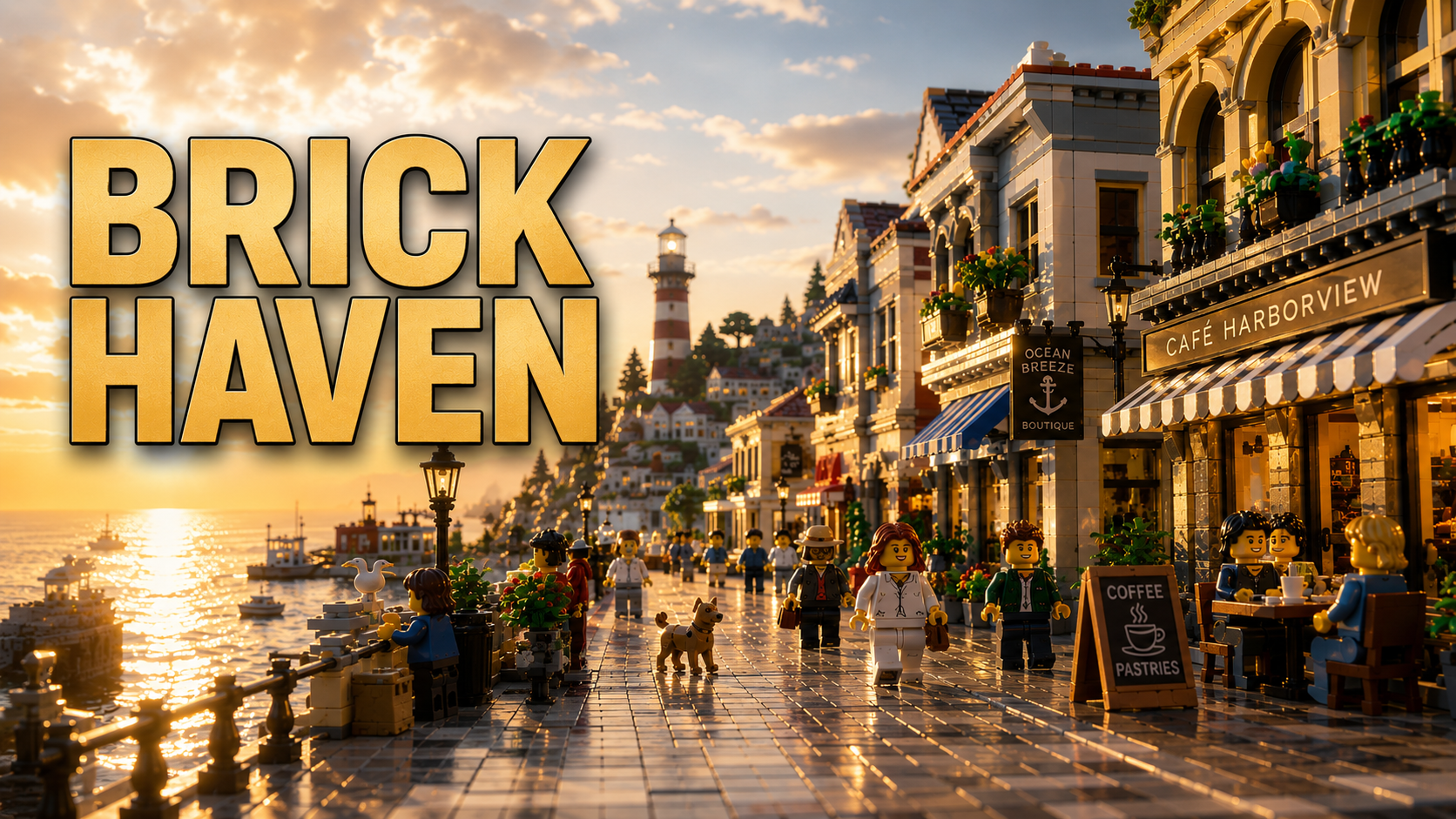
There is a theory, held quietly by urban planners and loudly by the people who live there, that Brick Haven was never actually designed. It was accumulated. Streets that began as dirt tracks between farms became cobblestone lanes, became paved roads, became one-way arterials routed around buildings that nobody could agree to demolish. The city grew the way rivers do, finding the path of least resistance, carving channels where the ground gave way, pooling wherever a neighborhood decided it liked where it was.
History
Brick Haven began, as most cities do, with a harbor. The natural bay at the mouth of the Haven River offered shelter from the prevailing Atlantic winds, and the flat floodplain behind it offered farmland, fresh water, and room to spread. The earliest permanent settlement, the Founders' Quarter, was little more than a trading post and a mill, established in the mid-eighteenth century by a coalition of merchants, craftspeople, and stubborn farmers who agreed that this particular bend in the river was worth staying for.
The arrival of the railway in the 1850s transformed the town into a genuine city almost overnight. The rail depot anchored a new commercial district to the north of the old harbor, and the surrounding blocks filled in with warehouses, hotels, and department stores. The population doubled within a decade, doubled again by the century's end.
The twentieth century brought the usual disruptions: boom, war, depression, suburban flight, highway construction. But Brick Haven proved more resilient than many of its contemporaries. The harbor adapted, from cargo shipping to passenger ferries to tourism. The old rowhouse neighborhoods became the neighborhoods people most wanted to live in. The manufacturing districts became the arts districts.
The City Today
Brick Haven is a city of distinct neighborhoods, each with its own personality.
The Harborfront is the oldest and most visited part of the city. The original Founders' Quarter has been carefully preserved, the harborfront promenade, the covered market, the working ferry terminal, and the fish pier that still launches boats before dawn give the neighborhood a lived-in authenticity.
The Brick Quarter is the city's residential and small-business heart. The nineteenth-century rowhouses have been updated and occasionally restored, but the streetscapes remain largely intact. Corner coffee shops, independent bookstores, neighborhood bakeries, barbershops that have been in the same family for three generations.
The Arts District occupies the old industrial blocks between the rail corridor and the river. The brick warehouses have become studios, galleries, music venues, and the kind of restaurants that require reservations.
The Station Quarter grew up around the old rail terminal and never quite stopped growing. The blocks closest to the depot are the busiest: a hotel that has been hosting travelers since the 1890s, a corner garage that fixes anything, a bookshop that somehow survives, and a post office that has been in the same building since before anyone can remember. Further out, the streets settle into mixed retail and the kind of civic architecture that suggests a city that once had confidence in its own future.
The Music Scene
Brick Haven has a genuine music culture, rooted in the Arts District but spilling out into corner bars, rooftop venues, and the harborfront bandstand on summer weekends. The city's independent record label, Brick Haven Music, has been signing and developing local acts for years, and the scene it represents is as much a part of the city's identity as the architecture.
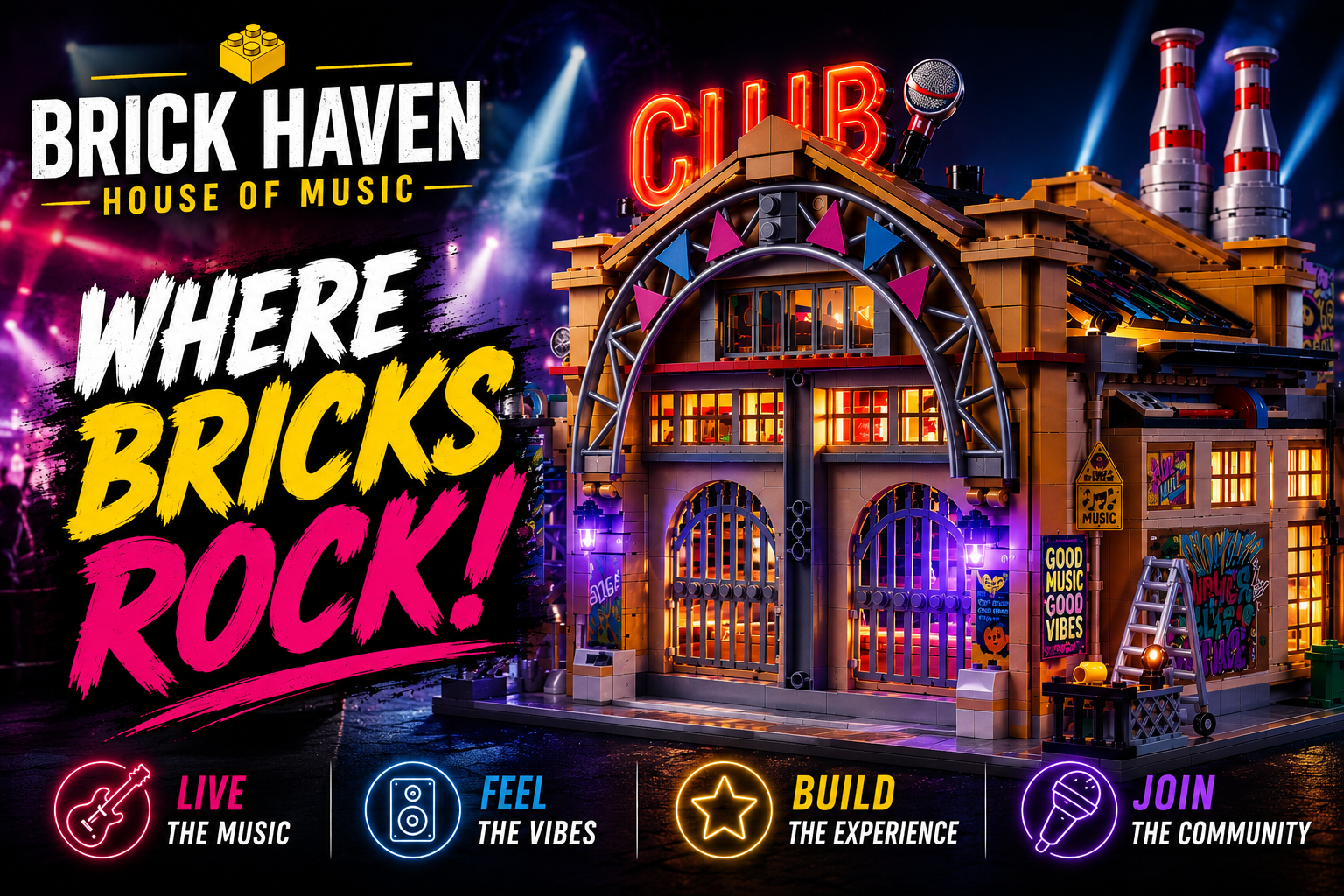
The anchor of the live music scene is the Brick Haven House of Music, a converted warehouse in the Arts District that has become one of the city's most beloved venues. The stage has hosted a rotating cast of local acts. The Bricktones bring a tight, horn-driven sound that fills the room without apology. The Brickensteins lean more experimental, their sets running long and the audience staying anyway. Both bands call Brick Haven home. Both are regulars at the House of Music. Upcoming show posters are usually plastered across the Arts District before they show up anywhere else.
Connections
Brick Haven doesn't exist in isolation. The bay connects it to Lighthouse Pointe, the beloved amusement park on the opposite shore, visible on clear nights as a glittering arc of lights above the water. The coastal road links it south toward The Living Coast, the city's aquarium and wildlife reserve. Somewhere east of the city, the countryside of Studbrook Farms begins, the pastoral counterpoint to Brick Haven's urban density, and the source of much of what ends up on the city's restaurant menus. And further into the hills beyond the farms, Cozy Pines Retreat offers the kind of quiet that people from Brick Haven specifically seek out when the city gets to be too much.
What We're Building
The Brick Haven Diorama
The Brick Haven diorama is the channel's most ambitious ongoing project, built primarily from LEGO modular buildings alongside Lumibricks Town Life, Street Fusion, and Road Trip sets. We're building this city neighborhood by neighborhood, block by block, following the modular logic of the sets themselves. The goal isn't perfection; it's authenticity. We want a city that looks like it grew, not one that looks like it was planned. Streets will dead-end. Buildings will clash. A Victorian shopfront will stand next to a glass-and-steel café next to a rowhouse that hasn't been painted since 1987. That's Brick Haven. Come build it with us.